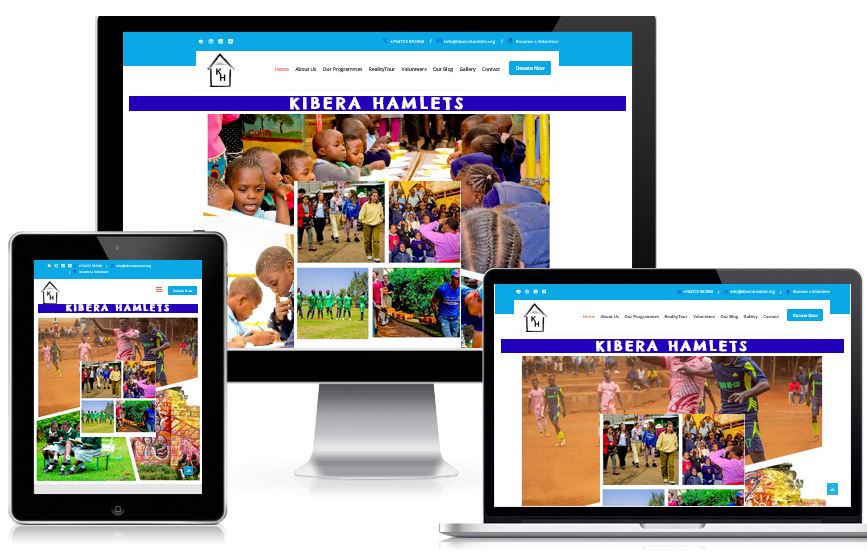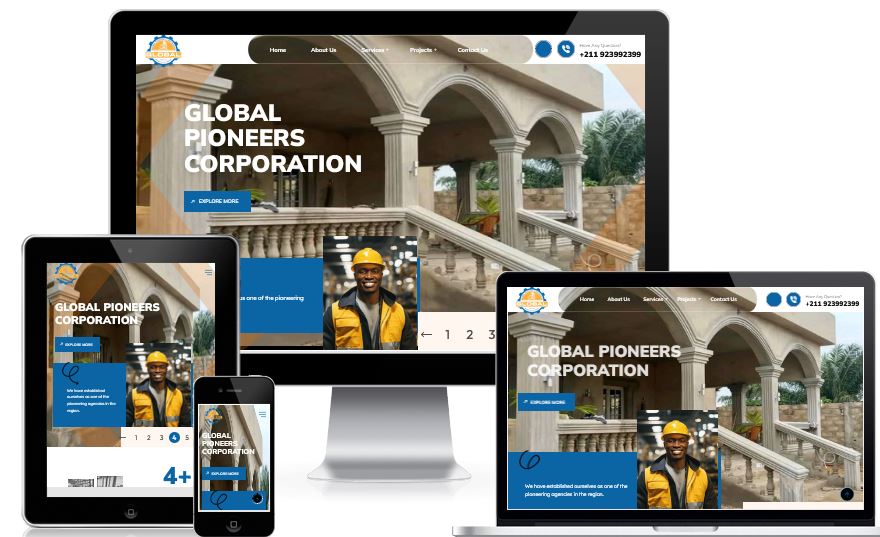

When it comes to establishing an online presence for a business, both websites and social media pages play vital roles in reaching and engaging with target audiences. A website serves as the foundation of a company's online identity, providing comprehensive information about products/services, contact details, and brand messaging. It offers credibility, professionalism, and control over content and design
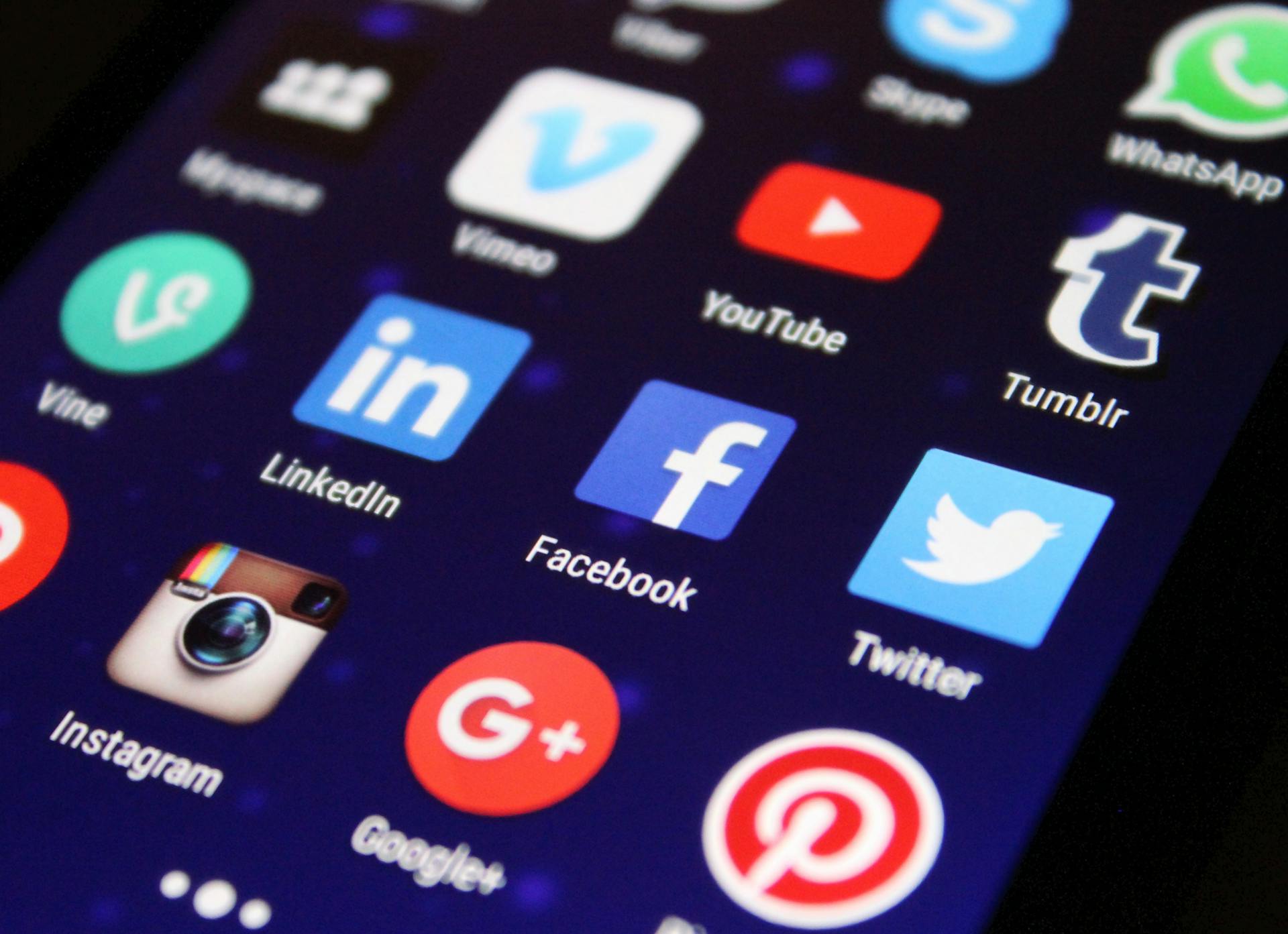
On the other hand, social media pages facilitate interaction with customers in real-time, allow for sharing timely updates or promotions, foster community engagement through comments and likes, and provide valuable insights through analytics tools. While a website is essential for showcasing detailed information and acting as a hub for all online activities, social media platforms are crucial for amplifying reach, enhancing brand visibility, and creating meaningful connections with customers on a more personal level.
Consequently, businesses should strategically utilize both channels to maximize their online impact effectively.
By combining the strengths of a website and social media pages, businesses can create a cohesive online presence that caters to different aspects of their marketing strategy. While a website offers a centralized location for in-depth information and brand messaging, social media platforms provide a dynamic space for engaging with customers in a more interactive and immediate way.
Leveraging both channels allows businesses to build brand awareness, drive traffic to their website, and cultivate relationships with their target audience. By consistently updating and optimizing both their website and social media pages, businesses can stay relevant, competitive, and connected in the ever-evolving digital landscape.